Seasonal Story Starters: 20 Autumn Writing Prompts for Short Fiction
The clocks go back, the light turns the colour of weak tea by four o'clock, and every walk home smells of wet leaves and diesel. Autumn hands a writer more usable material than any other season: warmth against cold, harvests and endings, the sense that something is finishing whether we agreed to it or not.
Short stories suit that mood. They are small, enclosed things, and autumn is a season of small enclosures — a kitchen, a bus shelter, a car with the heater on.
The twenty prompts below are built from British autumn rather than generic "fall" imagery. Expect conkers in coat pockets, the last blackberries on a railway embankment, a damp church hall, a power cut on a terraced street. Treat them as starting points, not homework. Take one, write for twenty minutes, and see what refuses to stay quiet.
Why the Season Suits Short Fiction
The days shrink, and so do our stories. A short story can sit comfortably inside a single autumn evening: the walk to the chip shop, the hour between the fireworks ending and the last bus. You need not explain the passing of time, because the season does it for you.
Autumn also arrives with ready-made turning points. Half-term. The first frost. Remembering the dead. The night the clocks change. Each gives a character a reason to be somewhere they would rather not be, which is where most stories begin.
And the sensory detail is generous. Cold hands round a warm mug. The grit of leaf mulch under a pushchair wheel. Parkin still slightly warm in the tin. You can build a whole character out of what they notice on a wet Tuesday in October.
Twenty Autumn Prompts for New Drafts
Pick the one that makes you slightly uncomfortable. That is usually the one with a story attached.
Mist, Mornings and Slow Journeys
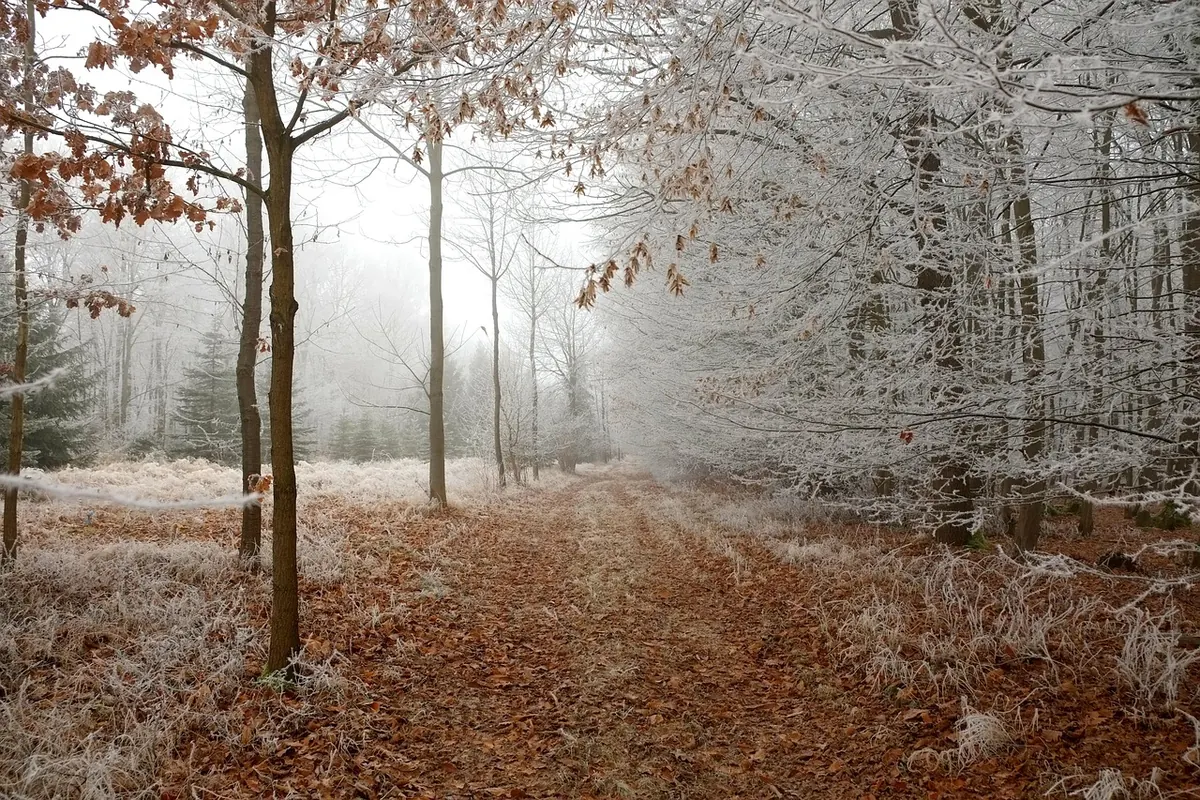
- Fog cancels the 7.42, and two people who have avoided each other for fifteen years share the only taxi on the rank.
- Frost has drawn patterns on the inside of a bedroom window for the first time since the family moved in. Someone in the house is pretending not to be thrilled about it.
- A dog walker finds something half-buried in leaf mould beneath the beech trees and decides, for reasons that will be hard to explain later, not to report it.
- A bus stop conversation lasting eleven minutes that changes how one of the two people votes, leaves, or forgives.
- The morning the heating comes on, and a grown-up brother and sister argue about who is going to ring their mother.
Hedgerows, Harvest and Allotments
- Two neighbours pick blackberries from the same stretch of hedgerow and continue an argument about a boundary neither of them started.
- In an allotment shed, with the last tomatoes ripening on a windowsill, someone confesses to a small crime committed thirty years ago.
- A child at a harvest festival service misunderstands what tinned peaches are for, and gives them to the person who needs them most.
- An apple press in a back garden, an old family recipe, and the sibling who has always claimed the recipe as theirs.
- A market stallholder of thirty years is told the market is moving, and the only conversation that can still happen there has to happen today.
Bonfires, Fog and Dark Evenings
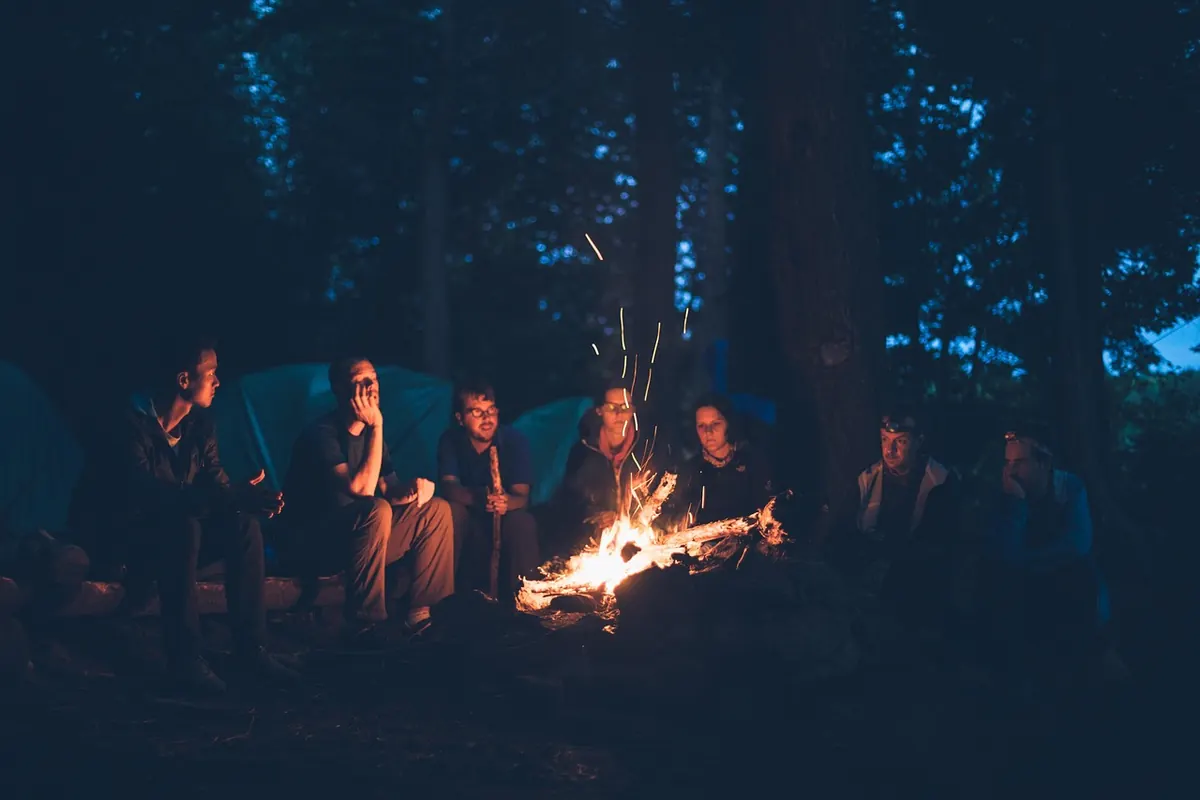
- Bonfire Night. A coat is left on the wrong gate, and by morning the whole street has an opinion about who it belongs to.
- Fireworks seen from a hospital window, with the sound arriving a beat late.
- The power goes out on a terraced street. Candles come down from drawers, and so does a confession.
- An out-of-season seaside town: shut chip shops, one open pub, and a person who has come back for something they left behind.
- A Remembrance Sunday parade, and a girl carrying a wreath for a name her family has never spoken aloud.
Turning Inwards: Kitchens, Letters, Ghosts
- A recipe card in a dead relative's handwriting calls for an ingredient nobody can identify.
- A house clearance, and the one object that four members of the same family believe was promised to them.
- A rented cottage where the heating works perfectly but one room is always cold.
- A box of letters, catalogued by someone who realises halfway through that the story they were told as a child does not fit what they are reading.
- Someone moves to a new town in late September. One neighbour knocks at the door and does not leave.
How to Turn a Prompt into a Finished Draft
Give a prompt twenty minutes, not a weekend. Set a timer and work through these steps in order.
- Start with the person, not the weather. Name them. Give them one want and one thing they are avoiding.
- Write the scene you can see most clearly — the shed, the bus stop, the lit kitchen — and stay in it. Resist summarising the years before it.
- Let the weather obstruct something specific. Not "it was foggy" but fog that hides a face, delays a decision, or means someone misses the last bus.
- Change one thing by the end. A truth said, a door answered, an apology withheld. The change can be tiny; it just has to be real.
Twenty minutes usually yields four hundred to six hundred words. Leave it overnight, read it in the morning, and mark the two sentences where something interesting happens. Write the next scene from there. Most short stories are two or three such scenes stitched together, with the joins sanded down later.
Name the tree, the biscuit, the bus route
Autumn writing goes flat when it reaches for decoration instead of detail. "Leaves fell" does nothing. Sycamore leaves stuck to the wheels of a buggy does something. So does the smell of a school cloakroom in October, or the particular grey of a sky over a retail park at four in the afternoon. Steal from your own walk home rather than from a list of seasonal words.
Keep an October notebook
For a fortnight, write down three overheard lines a day and one thing you noticed with your hands or nose. By the end you will have around forty lines of dialogue and fourteen sensory notes. That is enough raw material for two or three stories, and none of it came from a prompt at all.
Pick One Before the Light Goes
Choose a prompt from this list now, while the season is doing half the work for you. Set your timer, write the first scene, and save it in a folder named for the month. Autumn is short and the good writing weather is short with it, but one finished draft is worth more than twenty excellent ideas. Start with the one about the coat on the wrong gate. It is nearly Bonfire Night, after all.
Photo: music4life / Pixabay


You Might Also Like
From parish records and village memory to tense, place-aware storytelling: a practical guide to researching a British local legend and turning it into a short story.
A practical beginner's guide to haiku, explaining structure and seasonal words, with observation exercises, example rewrites and a month-by-month calendar of British weather and wildlife to write from.