Why Folk Tales Still Matter in Modern Britain
In a village hall in Shropshire, a woman stands up and tells forty people about a girl who walked into the hills behind her grandmother's cottage to find the white hare that had been stealing the milk. There is no book in her hand, no screen behind her, no microphone. Within a minute the room has gone quiet in the particular way rooms do when a story has taken hold, and not one person reaches for a phone.
The woman is not a professional. She is a retired nurse who first heard the tale from her own grandmother, who heard it from hers. The hare, the spilled milk, the girl warned not to look back, the hill that opens and then closes — none of it appears in any school curriculum. Yet every detail still works. Children in the third row lean forward. Two adults at the back wipe their eyes and pretend they have not.
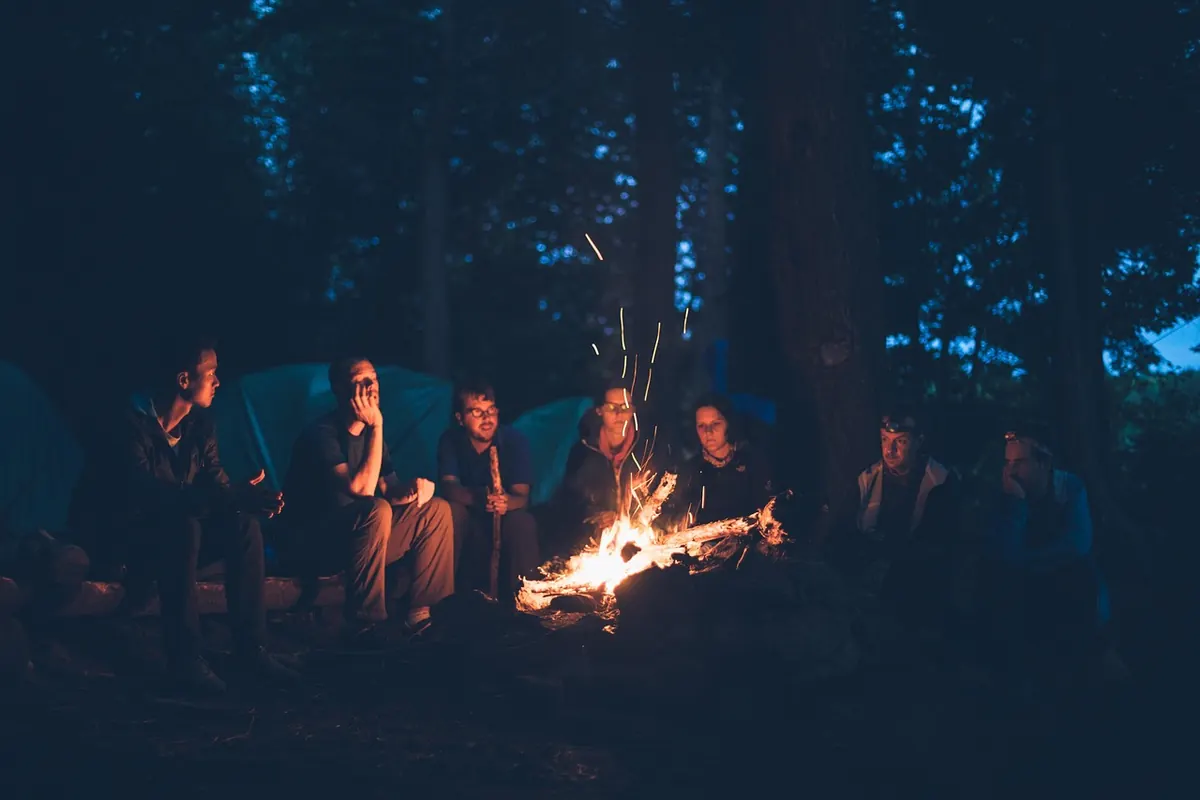
This is not a rare scene. It happens every week across Britain, in pubs, libraries, community centres, theatres, hospital wards and front rooms. Folk tales, written off for much of the twentieth century as the leftover debris of a superstitious past, turn out to be one of the most durable tools we have for holding attention, passing on hard-won wisdom, and reminding people that they belong somewhere.
What Counts as a Folk Tale?
The phrase usually brings up a picture of princesses, frogs and glass slippers — stories for children, and slightly embarrassing ones at that. Folklorists use the term far more widely. A folk tale is any story that lives in people's mouths rather than in a single authorised book, changing a little with every teller and every generation.
- Wonder tales — the ones most of us call fairy tales: Jack and the Beanstalk, Cap o' Rushes, Tam Lin, the Suffolk story of Tom Tit Tot.
- Local legends tied to a real place: the Lambton Worm in County Durham, Black Shuck in East Anglia, the boggart of Boggart Hole Clough in Manchester, the trows of Orkney, the shape-shifting Hedley Kow of Northumberland.
- Cautionary tales — the girl who takes the short cut, the man who opens the door at midnight, the bargain struck with something that should never have been spoken to at all.
- Ballads, riddles and rhymes: Border ballads, work songs, and the playground chants Iona and Peter Opie collected in The Lore and Language of Schoolchildren.
- Customs and folk belief — well dressings, hobby horses, the odd things people still say at a threshold or when a magpie crosses the road.
What holds these together is not plot but method. Folk tales are built to be remembered, repeated and reshaped, which is exactly why they have survived.
From Fireside to Page, and Back Again
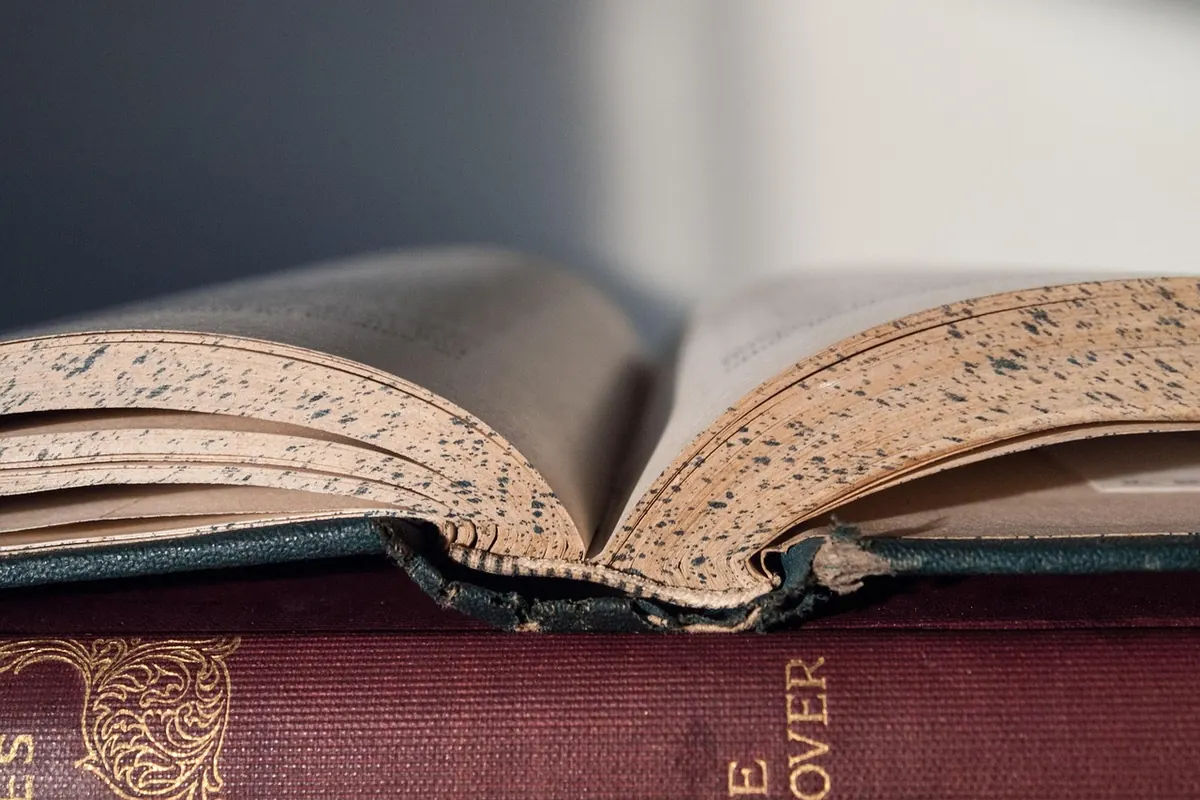
Britain's stories were oral for centuries before anyone thought to write them down. The collecting boom of the nineteenth century changed that. Sir Walter Scott gathered ballads in the Borders; the Brothers Grimm, working across the North Sea, spurred local enthusiasts to do the same at home; Lady Charlotte Guest translated the Welsh Mabinogion; Joseph Jacobs published English Fairy Tales in 1890. The Folklore Society had been founded in London in 1878, and Katharine Briggs would eventually produce her four-volume Dictionary of British Folk-Tales in the English Language in 1970 and 1971.
Collecting saved a great deal that would otherwise have vanished, but it also froze things. Once a tale was printed, tellers began to treat the printed version as the correct one, and the small, local, improvised variations that give folk tales their life began to look like mistakes. By the mid-twentieth century, television had replaced the parlour fireside in most homes, and "folk tale" had become the stuff of picture books rather than a living practice.
The revival came from an unexpected direction: live performance. The Society for Storytelling was founded in 1993. Festivals such as Festival at the Edge in Shropshire and Beyond the Border in Wales began drawing real crowds, and a generation of storytellers started to treat the old material as a repertoire rather than a relic — something to be learned by heart and then quietly altered in the telling.
Why They Still Matter
They Hold Local Memory
Every region of Britain carries stories that function as a kind of unofficial archive. The Lambton Worm of County Durham is not really about a monster; it is about a young man who leaves home, prospers, and returns to find that the damage he caused has been quietly growing in his absence. Black Shuck, the great dark dog said to haunt the church at Blythburgh, carries centuries of anxiety about storms, strangers and the sea. When a place loses its stories, it loses a way of talking about itself that no heritage plaque can replace.
They Teach Without Preaching
A folk tale rarely ends with a moral spelled out, and that is its strength. Mr Fox warns young women about charming men without ever using the word "grooming". The tale of the girl who is kind to an old woman at a well and is rewarded, while her sister is rude and is not, teaches reciprocity through consequence rather than instruction. Children who would squirm at a lecture will sit still for a story, and remember the lesson for forty years.
They Give Shape to Difficult Things
Folk tales are full of loss: children who wander into the woods, lovers separated by the sea, the dead who cannot quite let go. That is not a flaw. It is the point. They offer a safe container for fear, grief and jealousy, allowing a listener to feel the shape of a hard thing without having to name their own. This is why they resurface in hospices, in bereavement groups and in therapy rooms as readily as in primary schools.
They Turn a Crowd Into a Community
A story told aloud is a shared act. Everyone in the room hears the same words at the same moment, and everyone contributes something — a laugh, a held breath, a murmur of recognition. It is one of the few remaining experiences in modern British life that requires no electricity, no subscription and no screen, and that leaves forty strangers feeling, briefly, like neighbours.
"A story doesn't have to be true," the woman says at the end, closing her hands around the empty air as though it were a cup. "It has to be useful."
Folk Tales in the Modern World
It would be a mistake to think of all this as nostalgia. The old stories are thriving in places their collectors could never have imagined:
- Podcasts and radio have made folklore a mass medium again, with shows devoted to regional legends, ghost lore and the history behind familiar tales.
- Games and film mine the same material constantly — from fantasy novels and folk horror cinema to open-world games built on Norse and Anglo-Saxon myth.
- Schools use storytelling techniques such as Talk for Writing to build vocabulary and confidence, especially for children who arrive speaking English as an additional language.
- Tourism and heritage increasingly rely on legend as much as architecture. A ruined castle with a story attached draws more visitors than one without.
- Wellbeing work in hospitals, care homes and community projects uses reminiscence and storytelling to connect isolated people, particularly older adults living alone.
How to Start Telling Them Yourself
You do not need training, a licence or a perfect memory. You need one story you genuinely like.
- Choose short and strange. A three-minute local legend beats a fifteen-minute epic when you are starting out.
- Read it, then close the book. Retell it to yourself out loud in your own words. Whatever you forget was probably not essential.
- Learn the bones, not the sentences. Five or six landmarks — the warning, the journey, the mistake, the return — are enough to carry a tale.
- Find the sounds. Repetition, rhythm and a repeated line ("and the hare came back at midnight") give listeners something to hold on to.
- Tell it to one person first. A friend, a child, a neighbour. Then tell it to three. Then to a room.
- Let it change. If you find yourself adding a detail, you are not doing it wrong. You are doing exactly what every teller before you did.
In the Shropshire village hall, the woman finishes, and there is that half-second of silence before the applause that every storyteller learns to wait for. Then someone in the back row asks her to tell it again next month, and she says she will — though she warns them it might come out a little differently. That, in the end, is the whole argument. A story that can still be told, and still be altered, is not a piece of the past at all. It is part of how we keep going.
Photo: Pexels / Pixabay
You Might Also Like
From parish records and village memory to tense, place-aware storytelling: a practical guide to researching a British local legend and turning it into a short story.
A practical beginner's guide to haiku, explaining structure and seasonal words, with observation exercises, example rewrites and a month-by-month calendar of British weather and wildlife to write from.