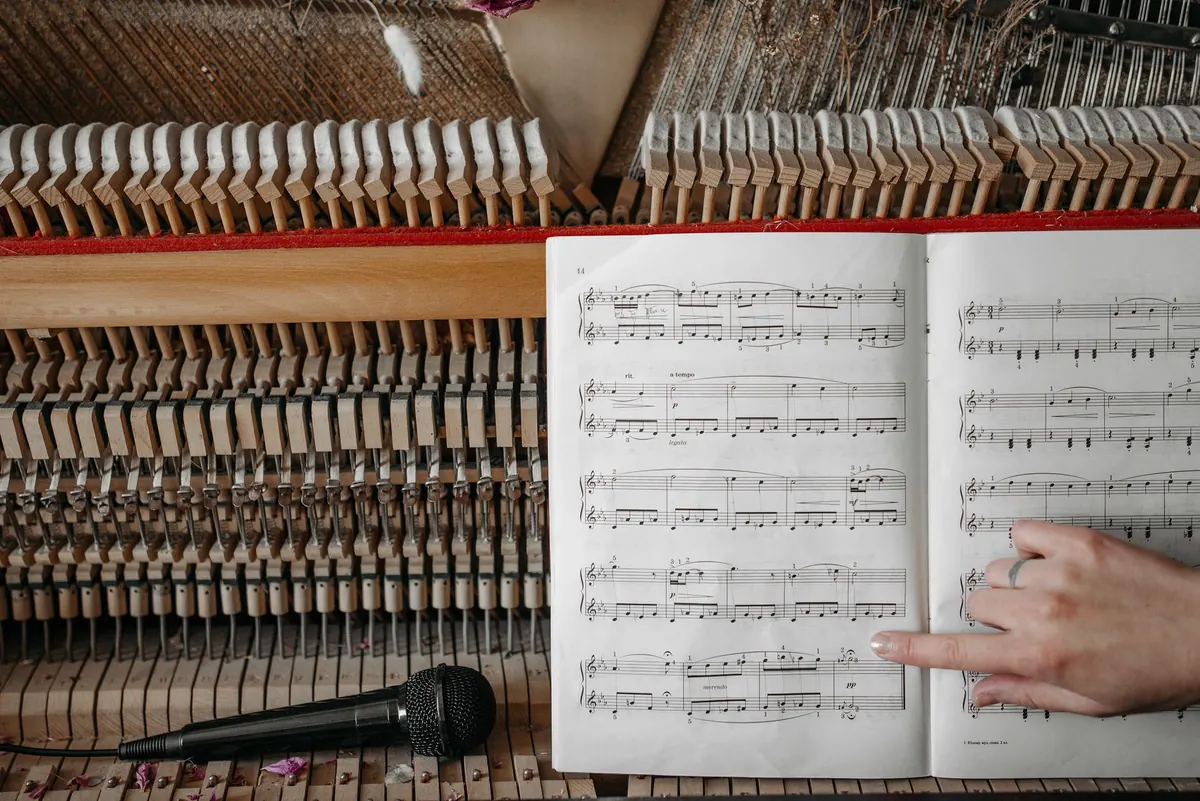
How to Run a Storytelling Night in Your Local Pub: A Checklist
A back room in a pub, twenty-odd chairs, a pint going warm on the table, and someone halfway through a story about the worst holiday of their life. That is the whole setup. Storytelling nights work because they ask for almost nothing: a room, a microphone if you are lucky, and a handful of people willing to talk for six minutes while everyone else listens. What follows is the unglamorous part — the booking, the running order, the small details people forget until the night itself.
Decide what kind of night you are running
Before you approach a single pub, settle the format. Open-mic storytelling means anyone can put their name down, but "anyone" covers a wide range. Are you asking for true personal stories told in the first person? Traditional tales and folk stories? Or a free-for-all where both are welcome?
Most nights do best with a defined brief and a loose theme, because it gives first-timers something to hang a story on. "True stories about jobs we were terrible at" is easier to say yes to than "any story, any length". Decide too whether notes are allowed. Reading from a phone screen flattens a story, but banning notes outright frightens off newcomers, so a compromise — a few bullet points on a card is fine, a script is not — tends to work well.
Booking the pub
Go in person, on a quiet afternoon, and ask for the landlord or manager. Do not do this by email if you can avoid it; publicans deal in faces and favours. Tuesday and Wednesday evenings are usually the easiest to claim, because the weekend belongs to sport, music and quizzes. Booking the same night as a big match is a mistake you will only make once.
Ask for a space away from the bar and, crucially, away from any television. Then ask the question that saves the night: will the screens be off in that room? A muted football match in the corner will quietly destroy any story being told.
Things worth confirming before you shake hands:
- What time you can have the room, and what time you must be out.
- Whether there is a sound system, a working microphone and a plug socket.
- Whether they charge for the room, or expect you to bring in enough drinkers to make it worthwhile.
- How they will promote it — a chalkboard, a social media post, or nothing at all.
- Who is responsible for moving furniture. The licensee is answerable for the premises licence, so never rearrange a room, block a fire exit or cram in extra seating without their say-so.
Hard floors, bare walls and low ceilings bounce sound around; a carpeted snug with soft furnishings will flatter every voice in the room.
Set the running order before you announce anything
An open mic with no shape drifts, and drifting rooms stop listening. Plan the evening on paper first. A workable template looks like this:
- Doors at 7pm, first story at 7.30pm sharp.
- Host opens with a short story of their own, three or four minutes, to show the room how to listen.
- Six tellers in the first half, roughly six minutes each.
- Fifteen-minute break — a genuine break, so the bar takes money.
- Six tellers in the second half, then a wildcard slot for anyone who arrived late and wants a turn.
Seven good tellers beat twelve ragged ones. If you have more names than slots, save them for next month and say so warmly at the door.
Finding tellers and looking after them
First-timers are the lifeblood of a night like this, and they need briefing. A paper sign-up sheet on the bar works, as does an online form, but the follow-up matters more than the method. Send everyone the same short message: the theme, the time limit, whether notes are allowed, and the promise that nobody will be heckled.
Ask two or three confident regulars to tell stories in the first half of your opening night. A warm room makes a nervous teller braver. And when someone asks you what happens if they dry up halfway through, tell them the truth: the host steps in, the room waits, and it has happened to everyone.
Hosting the night
Keep the shape
You are the clock and the atmosphere. Introduce each teller by name with one line of context, and nothing that spoils the story. Use a discreet signal for time — a glass moved on the table, a raised hand — rather than a buzzer or a shouted warning.
Handle the awkward moments
A teller who freezes needs a beat, then a gentle question: what happened next? A heckler needs one light, firm line and then no further attention. Ask the bar staff to hold off collecting glasses during stories; the clatter travels further than you think.
Close it properly
Thank the pub by name, thank the tellers, and give the audience a reason to come back. Announce the next date before people start putting their coats on, not after.
Your kit list
- A clipboard, sign-up sheet and pens that work.
- A timer, face up, plus a printed running order for you and a spare for the bar.
- A jug of water and glasses for tellers.
- An extension lead, and a spare microphone if you own one.
- Chalk or a reusable sign showing the theme and next date.
- A container for any collection, and a clear answer on money: whether tellers are paid, whether the pub takes a share, and how the takings are handled. Agree this with the pub and the tellers in advance, never on the night.
After the last story
Write down three things while they are fresh: roughly how many people came, which stories landed, and what you would change. Post the next date that evening. Then send the pub a short thank-you the following day — that goodwill is what gets you the room again in December, when everyone wants it.
A simple first-night checklist
- Pick a format and a theme.
- Book a midweek date, in a room with the television off.
- Agree times, money and furniture with the pub.
- Write the running order and stick to it.
- Open sign-ups two to three weeks ahead.
- Brief every teller in the same message.
- Turn up an hour early with your kit.
- Start on time, even with a small room.
- Announce the next date before anyone leaves.
Photo: StockSnap / Pixabay

You Might Also Like
From parish records and village memory to tense, place-aware storytelling: a practical guide to researching a British local legend and turning it into a short story.
A practical beginner's guide to haiku, explaining structure and seasonal words, with observation exercises, example rewrites and a month-by-month calendar of British weather and wildlife to write from.